My Experience in the ASEAN Youth Peacebuilders Program
Child trafficking remains one of the most serious human rights challenges in Southeast Asia. Behind every statistic is a child whose safety, dignity, and future have been taken away. Addressing this issue requires not only strong policies and law enforcement, but also long-term efforts in education, community empowerment, and youth engagement.
Participating in the Rotary ASEAN Youth Peacebuilders Program allowed me to better understand how young people can contribute to preventing complex social problems such as child trafficking. During the program, I had the opportunity to learn from and collaborate with professionals dedicated to peacebuilding and conflict prevention, including scholars from the Rotary Peace Fellowship, facilitators from Mediators Beyond Borders International, and experts connected with the Institute for Economics and Peace.
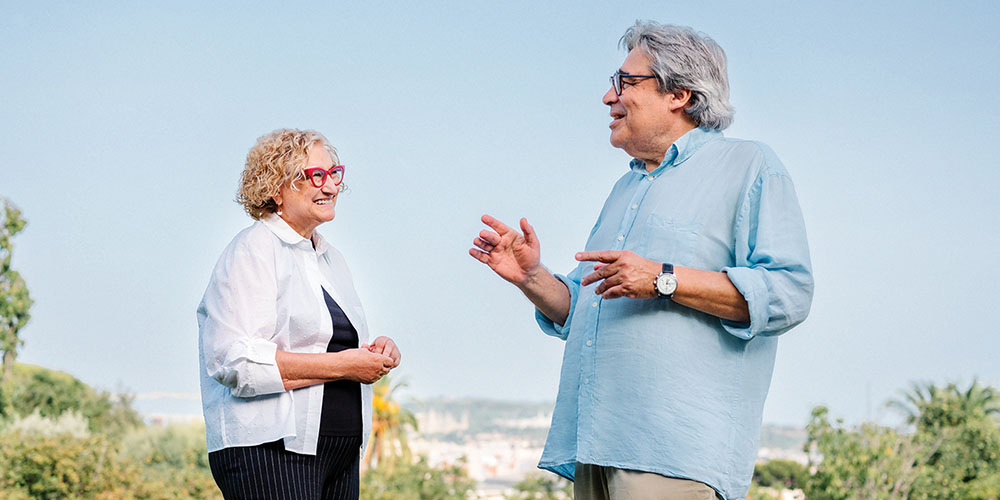
One particularly meaningful moment during the program was a conversation I had with Prabha Sankaranarayan, the CEO of Mediators Beyond Borders International. Before leading the organization, she worked as a child therapist, supporting children who had experienced trauma. Listening to her speak about the psychological impact of conflict and exploitation on children gave me a deeper understanding of how child protection must include not only prevention but also healing.
Our conversation reminded me that the consequences of child trafficking go far beyond physical harm. Survivors often carry emotional and psychological trauma that can last for years. Hearing her experiences working directly with children helped me realize how important compassion, patience, and trauma-informed care are in any effort to protect vulnerable populations.
As a medical science student, this discussion resonated strongly with me. Health is not only about treating diseases; it also includes mental well-being, dignity, and safety. Communities that struggle with poor sanitation, unsafe water, or limited health education often face broader social inequalities. These inequalities can increase vulnerability, particularly for children, making them more susceptible to exploitation and trafficking.
Meeting youth participants from across Southeast Asia was another inspiring part of the program. Each country faces different challenges related to child protection, yet many of the underlying causes are shared. Through dialogue and collaboration, we exchanged ideas on how youth-led initiatives can strengthen community awareness and resilience.
Inspired by these experiences, I plan to develop a community-based initiative focused on hygiene awareness and water-related health risks. Improving environmental awareness and public health knowledge can help build stronger and healthier communities. While these actions may not directly eliminate trafficking, they can reduce some of the vulnerabilities that make exploitation possible.
Working alongside Rotary Peace Fellows and experts from international peacebuilding organizations showed me how global knowledge and local action can complement each other. Research, dialogue, and collaboration are essential, but meaningful change often begins within communities.
Child trafficking is a complex challenge that requires cooperation across sectors and borders. Governments, civil society organizations, educators, and youth all have a role to play in protecting children and building safer societies.
My experience in the ASEAN Youth Peacebuilders program reinforced a powerful lesson: peacebuilding is not only about resolving conflict, but also about creating environments where children are protected, communities are resilient, and every person has the opportunity to live with dignity.
- - - - - - - - - - - - - - - - - - - -


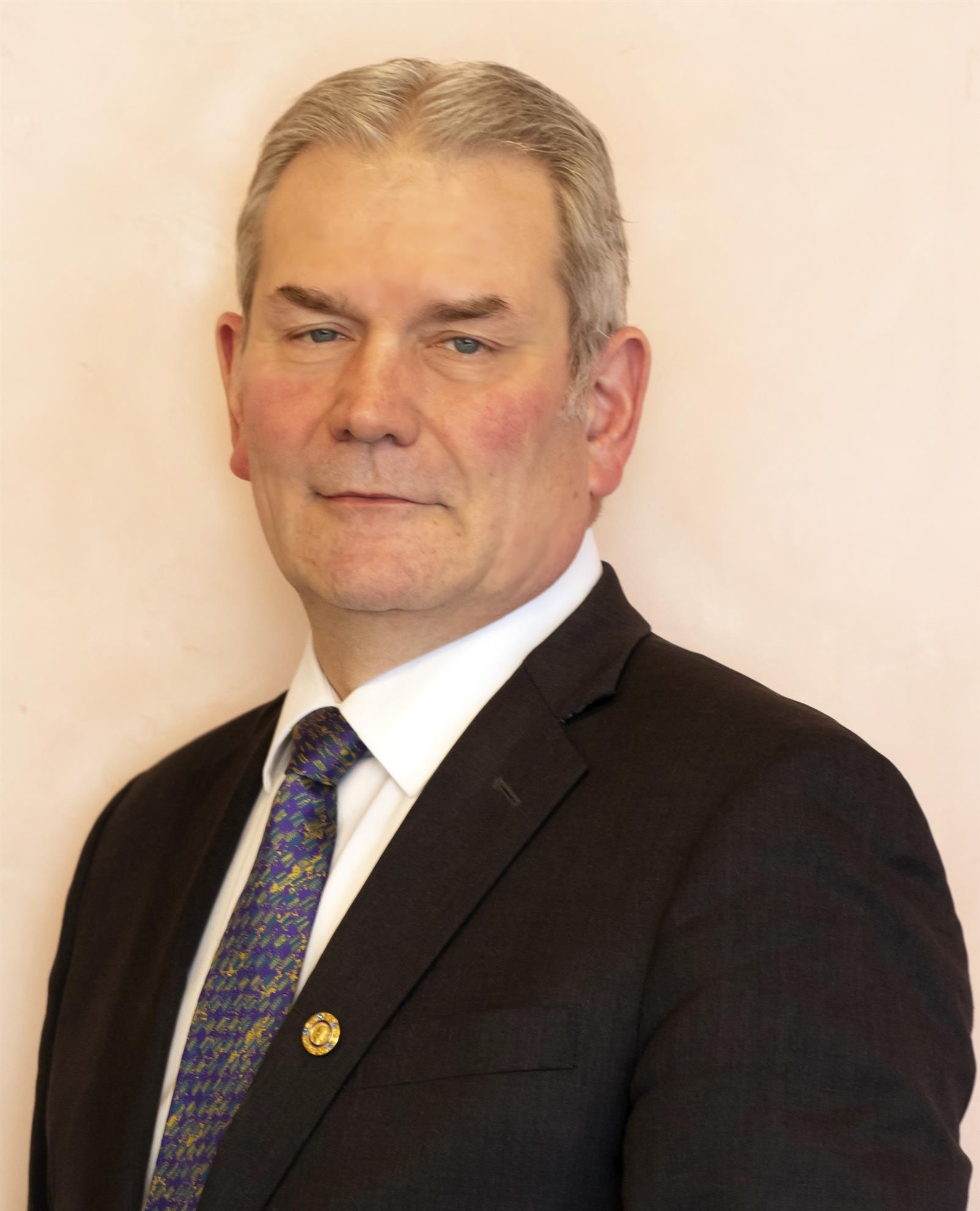 SEATECT and The Rotary Club of Chiang Mai Wattana have the honor of hosting PDG Faron Barr’s presentation on Global Grants. The meeting will be at 20:00 (8:00 p.m.) on Thursday 19 November 2026. Contact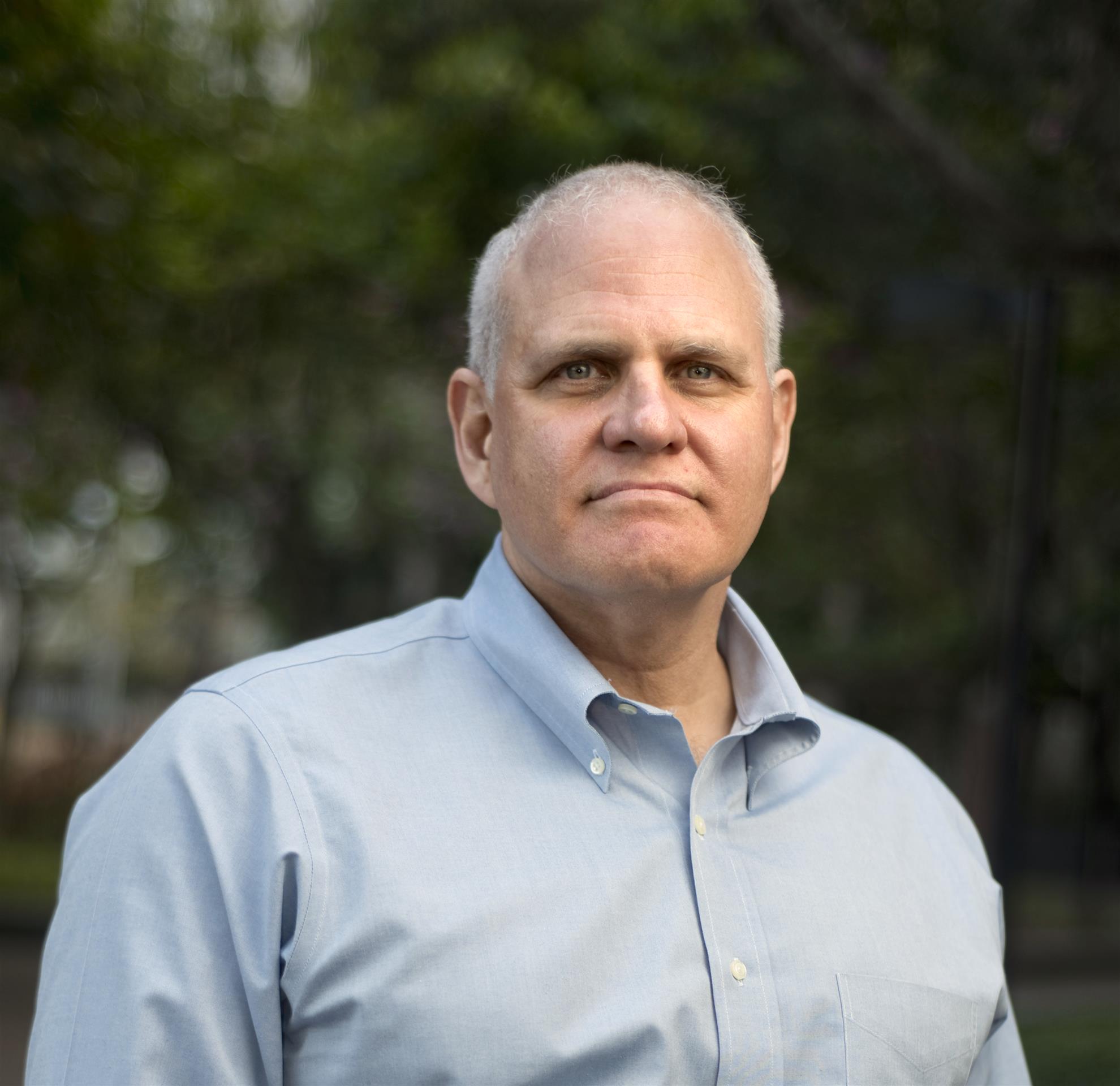

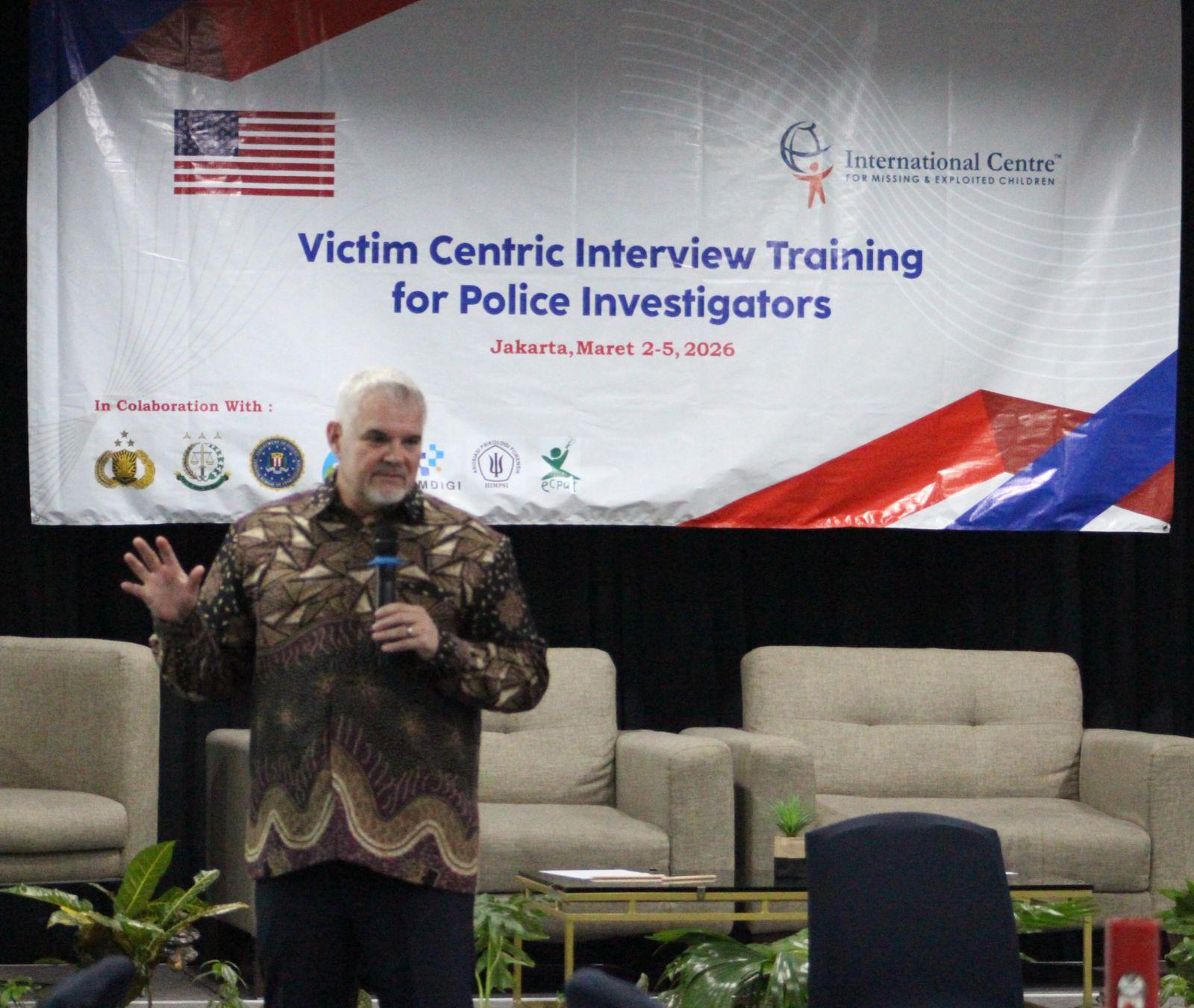



Stop human trafficking now!
Chiang Mai,
Thailand